
I'll be at the Global Health Council Conference
(From the conference program for the Global Health Council's annual conference, which takes place May 27-31 in Washington, DC More info at the Council's website, www.globalhealth.org.)
Brown-Bag Session: Finding Work in Global Health
Friday, May 30, 2008
12:45-1:45 pm
Capitol Room
Considering a global health career, a part-time internship, or simply a volunteer stint overseas? You won't want to miss this brown-bag workshop. Patricia Ohmans, MPH, co-author of the book Finding Work in Global Health, will offer an insider’s guide to entering the field. Her lively, interactive presentation will cover the 10 top myths about global health; seven ways to work in the field; a dozen questions to ask yourself BEFORE you go, and more. This session is designed especially for entry-level professionals, but NGO recruiters are cordially invited to participate.
Brown-Bag Session: Finding Work in Global Health
Friday, May 30, 2008
12:45-1:45 pm
Capitol Room
Considering a global health career, a part-time internship, or simply a volunteer stint overseas? You won't want to miss this brown-bag workshop. Patricia Ohmans, MPH, co-author of the book Finding Work in Global Health, will offer an insider’s guide to entering the field. Her lively, interactive presentation will cover the 10 top myths about global health; seven ways to work in the field; a dozen questions to ask yourself BEFORE you go, and more. This session is designed especially for entry-level professionals, but NGO recruiters are cordially invited to participate.
posted by PO at
10:54 AM
0 Comments


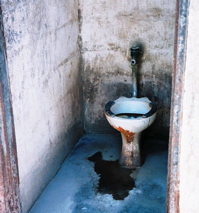 Tony’s mother Dolores Pink, who was born in 1925, used to say that the greatest invention she experienced in her lifetime was the installation of indoor plumbing in her family’s home in Shakopee, Minnesota.